
Gambling's cultural influence How risk and chance shape our society
The Historical Evolution of Gambling
Gambling has a rich history that dates back thousands of years, influencing various cultures around the globe. Ancient civilizations, such as the Greeks and Romans, used games of chance as a means of entertainment and socialization. Historical texts reveal that gambling was prevalent in religious ceremonies and military tactics, where the outcome of games mirrored the uncertainties of life itself. Nowadays, many players enjoy virtual experiences ataviashow game casino, further illustrating how the practice has evolved.

As societies evolved, so did the forms and perceptions of gambling. From the introduction of dice in Mesopotamia to the development of card games in medieval Europe, the act of gambling became intertwined with human behavior and societal norms. This evolution illustrates how risk and chance have always played essential roles in shaping our cultures and values.
Gambling as a Reflection of Society
Throughout history, gambling has mirrored the social dynamics of its time. In the early modern era, for example, betting was associated with the elite, often reflecting class disparities. As gambling became more accessible, it began to serve as a social equalizer, bringing people from different walks of life together, united by the thrill of chance.
Moreover, gambling often reveals underlying societal anxieties. Economic booms and busts, for instance, can lead to increased gambling activity, showcasing society’s desire for risk during uncertain times. This behavioral trend indicates a collective response to stressors, further emphasizing gambling’s role as a cultural touchstone.
The Psychological Impact of Gambling
The allure of gambling lies in its psychological implications, particularly concerning risk-taking behavior. The anticipation of winning can evoke strong emotional responses, influencing decision-making processes not just in gambling but in various aspects of life. This relationship between chance and risk is pivotal in understanding human psychology.
Research indicates that the brain’s reward system is activated during gambling, often leading to addictive behaviors. The excitement derived from taking risks can overshadow rational thought, highlighting how deeply ingrained gambling is in our psyche. This psychological influence extends beyond the individual, affecting relationships and communities as well.
Gambling in Modern Culture
Today, gambling is woven into the fabric of modern society, impacting various sectors such as entertainment, sports, and even technology. Online gambling platforms and mobile applications have democratized access to games of chance, allowing millions to participate from the comfort of their homes. This shift reflects the cultural adaptation to technology and changing consumer preferences.
Additionally, the portrayal of gambling in media and popular culture influences societal perceptions. Movies, television shows, and literature often romanticize the lifestyle associated with gambling, contributing to its allure. As these representations shape public opinion, they underscore the complexities of gambling’s cultural influence.
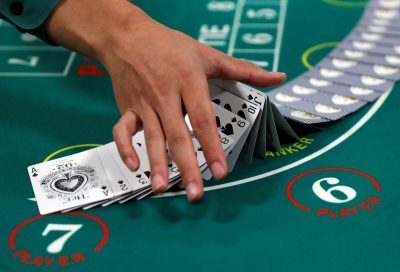
Embracing the Thrill of Risk Online
For those looking to experience the excitement of gambling, numerous online platforms offer various options. These websites provide an engaging environment where players can explore different games, from traditional table games to innovative crash games. The thrill of real-time decision-making and risk management is now more accessible than ever.
Engaging with these platforms not only offers entertainment but also fosters a deeper understanding of risk and chance within a modern context. As players navigate these online spaces, they can experience firsthand the cultural nuances of gambling, enriching their understanding of its historical and social significance.