Opening Hours : 24 x 7 Contact : +91 9370600600,+91 9970054691
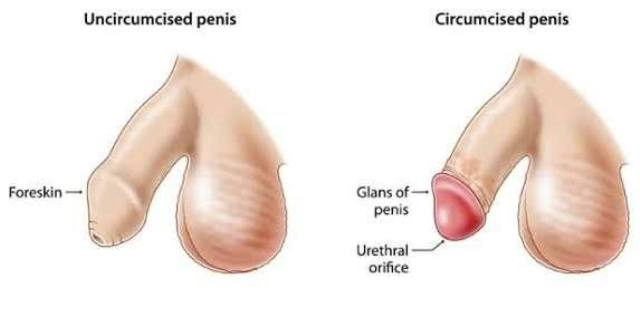
Circumcision is the surgical removal of foreskin, the skin covering the tip of the penis. Circumcision is an ancient practice that has its origin in religious rites. Today, many parents have their sons circumcised for religious or other reasons. It can be a matter of family tradition, personal hygiene or preventive health care. Sometimes there's a medical need for circumcision, such as when the foreskin is too tight to be pulled back (retracted) over the glans. In other cases, like in certain parts of Africa, circumcision is recommended for older boys or men to reduce the risk of certain sexually transmitted infections.
View the insurance +

Alisklamp is a new generation disposable circumcision clamp device. It has been recently introduced in India, and works on the basis of an advanced circumcision technique.
Reduced risk of urinary tract infections: Circumcised infants are less likely to develop urinary tract infections, especially in the first year of life. UTIs are about 10 times more common in uncircumcised males than circumcised infants. Severe infections early in life can lead to kidney problems later on Better hygiene: It makes it easier to keep the end of the penis clean.
In order to provide comfort to our patients, we have availed the Cashless facility at our Clinic for their contentment and feasibility.
A. CASHLESS CARD (provided by your insurance company) or Policy Paper (current & previous year)
B. ID PROOF (Pan Card/Aadhar card) on which your Date of Birth (D.O.B) is mentioned.
Read More
It takes 24-48 hours of working time for this entire process of preapproval. Sanction amount always comes in two parts from Insurance Company. You can get admitted only after the initial part of sanction is received. The second part of sanction is obtained once discharge process is initiated. You are usually entitled to rooms as per terms and conditions of your policy. In case you opt for an upgraded room, you will have to pay the difference amount directly to us. Patients have to pay non-medical or administrative charges which are not payable by insurance company or by TPA.
Read More